Inspection of magnetic particles is frequently done to assess an item’s conformance or suitability for usage. Automotive, aerospace, petrochemical, power generation, and structural steel are all industry sectors.
They use this quick and reasonably simple technique to inspect a wide range of products and equipment. This includes castings, forgings, and weldments, as well as engine, suspension, and braking system components.
In ferromagnetic materials like iron and steel, the technique can identify defects like cracks, laps, seams, and inclusions. The ability of MPI to provide an instantaneous indication of faults and discontinuities is one of its primary benefits.
By creating a flux inside the component being tested, the method operates. The flux becomes warped and leaks around any flaws. Fine pigments, like ferrous iron filings, can be applied dry. Or suspended in liquid on the examined item.
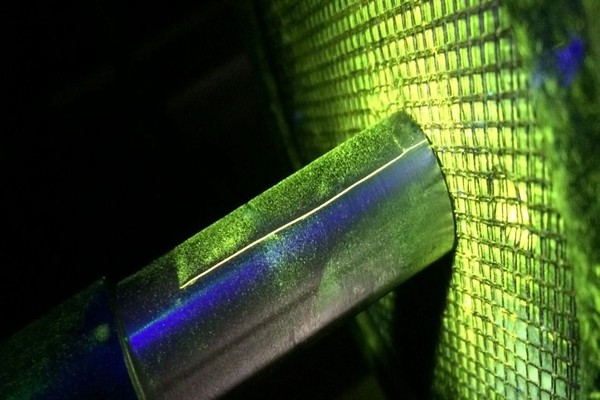
These particles will be drawn to the flux leakage area, producing a visible sign of the flaw. The operator can assess the indication to identify what this thing is. Or what might have generated it, and whether any action like magnetic particle inspection is necessary.
The Magnetic Particle Testing in NDT
MPI, which is performed in laboratories, is essential for quality control. Since it helps find flaws that might impair a component’s functionality. Especially if left unnoticed.
For sectors like power generation, automotive, and aerospace, MPI is crucial. Because it is where part quality and integrity are critical to performance and safety.
When to Use Non-Destructive Testing with MPI Services
- Only used for ferromagnetic materials. MPI cannot be used to test non-ferrous materials like magnesium, aluminum, or some types of stainless steel.
- The best NDT technique for locating defects. Such as inclusions, porosity, and fractures.
- A faster examination technique than the majority of NDT procedures, such as RT and FPI.
- Provides a more affordable alternative to conventional NDT techniques.
- Compared to other NDT techniques. MPI is less effective in identifying subsurface discontinuities.
Why is it Critical when it comes to Quality Assurance?
Quality assurance is crucial for guaranteeing the dependability, efficiency, and safety of crucial components. Especially in sectors like power generation, automotive, and aerospace.
By detecting flaws early and guaranteeing that components fulfill strict reliability and safety requirements. This testing offers prompt, precise results that help avoid failures.
Standards & Certifications
Operators follow strict guidelines and certifications when it comes to this type of inspection techniques. This includes ASTM E709 – see https://store.astm.org/e0709-21.html, and E1444 compliance.
By adhering to industry best standards. This standard helps guarantee that laboratories produce accurate, consistent results.
Process
Testing for magnetic particles entails some crucial steps:
- Pre-Cleaning: To get rid of any impurities that could affect testing. Such as oil, grease, or dirt, the material and component are washed or dried.
- Magnetization: By putting a magnetic yoke on the test material’s finish or by running an electric current over it. A powerful flux is created.
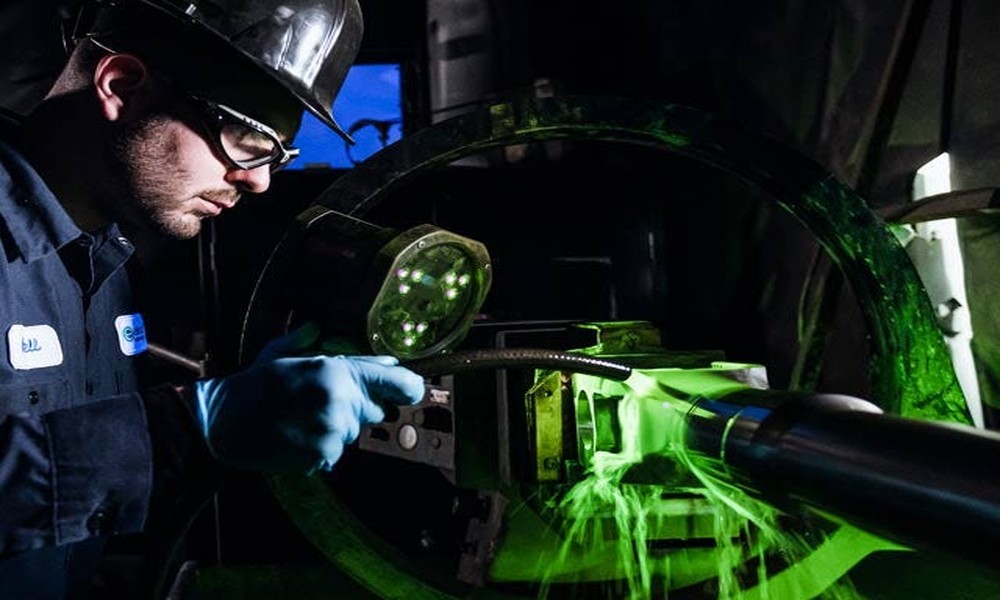
- Application of Pigments: When the flux remains active, pigments are applied to the test finish. It is typically in the form of a wet suspension or dry powder. When a flaw disrupts the flux, the pigments are drawn to that location.
- Inspection & Interpretation: Particle buildup on the is checked. Wherever there is a surface or near-surface imperfection, it will create a visible signal.
- Post-Cleaning: The sample being tested is cleaned to get rid of the magnetic constituent parts following the inspection.
- Documentation: Compiling a thorough inspection report after recording and evaluating the findings.
What Does a Test Report Contain?
The specialists’ detailed conclusions from the inspection process are included in a test report. Usually, the report contains details on the kind of test that was done. As well as the findings of the inspection, and any defects found. The reports occasionally contain schematics or pictures that show flaws.
Before moving forward with further testing, maintenance teams can use the reports’ insightful information. This is to make well-informed judgments and modifications to a component’s condition.
The reports typically also contain a declaration attesting to adherence to pertinent industry standards or laws. Such as the ASTM E1444 and E709 – learn more about these standards.
Advantages
This assessment has various important advantages, such as:
- Surface & Subsurface Defect Detection and Sensitivity
MPI is extremely sensitive to both surface and subsurface flaws and offers a thorough evaluation of material integrity.
- Speed and cost-effectiveness.
Fast and inexpensive, this assessment enables the quick identification of flaws without sacrificing the functionality of the component.
- Non-Destructive Method
A technique that permits examination without causing harm to the substance being evaluated. This guarantees that following testing, the component will continue to function.
Others Tests
- Wet
A suspension that consists of pigments in a fluid carrier is frequently employed for thorough investigations. A greater degree of sensitivity is offered.
- Fluorescent
Usually, this technique is employed to find surface-breaking defects that are smaller or more subtle. Under ultraviolet (UV) light, they are utilized to draw attention to flaws. Especially the ones that are typically very hard to spot in normal daylight.