

Gas turbines are the backbone of many industries—power generation, aviation, and oil and gas—where reliability, performance, and safety are non-negotiable. These machines operate under extreme temperatures and pressures, delivering consistent power and efficiency. However, over time, even the most robust turbines experience wear and stress, particularly in their frames. The gas turbine frame provides the structural foundation that holds all major components in place, including the compressor, combustor, and turbine sections. When damage occurs, it can compromise the entire system. Understanding when to do gas turbine frame repair is crucial to prevent costly breakdowns and maintain peak performance.
The Role of the Gas Turbine Frame
The turbine frame should last due to the constant thermal expansion, vibration, and high mechanical loads. It assures high accuracy of the positioning and stabilization of the rotating and stationary parts. Due to this vital issue, the presence of any misalignment, crack or structural deficiency in the frame will have a direct effect on the performance of the turbine, fuel efficiency and safety of the turbine.
Frames are constructed using alloys that are very strong and thus are made in such a manner that they can withstand the extreme stress, but over time of use and changing conditions, they can be worn down. Frequent check-ups and proactive maintenance are used to ensure the reliability of the operations and prevent unexpected shutdowns. Visit https://www.energy.gov/fecm/how-gas-turbine-power-plants-work to learn more.
Warning Signs That Indicate Frame Repair Is Needed
The choice of the appropriate moment when to repair a frame of a gas turbine should be based on a combination of planned inspections, monitoring of operational activities, and the focus on the warning indicators. The following are the most popular signs that frame repair must be taken into account:
Visible Cracks or Deformation – Thermal cycling and fatigue of metals usually result in cracks. Cracks may develop at a very high rate when subjected to constant stress and undermine the frame structure. In case the surface cracking or distortion is found during visual or non-destructive inspection, it must be repaired immediately to allow no further development.
Unusual Vibration or Noise – Bad vibration or sound on operation may indicate the frame moving out of place or component loosening. Given the fact that the frame provides a stable position between the compressor and turbine, any movement may lead to unbalanced loads and additional destruction of other parts.
Hot Spots and Thermal Fatigue – Hot spots are localized overheating, which is commonly a symptom of uneven thermal expansion or hindered airflow. This may cause fatigue, distortion and cracking. Early repair of the affected area will help to avoid the higher-order structural problems. Read this for reference.
Corrosion and Erosion – Oxidation, corrosion or erosion may occur on the frame surface due to high temperatures, combustion gases or moisture. Uncontrolled corrosion leads to the undermining of the material and reduces load-bearing capacity, and therefore, the repair should be timely.
Reduced Efficiency or Performance – An impaired frame can result in misalignment of internal components resulting in a low power output or efficiency. When the performance of a turbine decreases even with regular maintenance, it might be high time to check the frame to determine whether it is damaged behind.
Scheduled vs. Condition-Based Repairs
Historically, many operators used to do turbine frame repairs during either scheduled overhauls or major outages. Nevertheless, this time-dependent system may be inefficient when no necessary repairs are needed yet-or late when a damage has already aggravated.
Nowadays, condition-based maintenance is prioritized by the modern practice, as sensors and inspection devices constantly monitor the performance of turbines and their structural integrity. Methods that include ultrasonic testing, borescope inspections and 3D laser scan gives a chance to detect defects early enough and repair where necessary.
Repairing before the damage occurs in order to avoid a planned overhaul will allow avoiding unexpected downtime and promote the service life of the turbine.
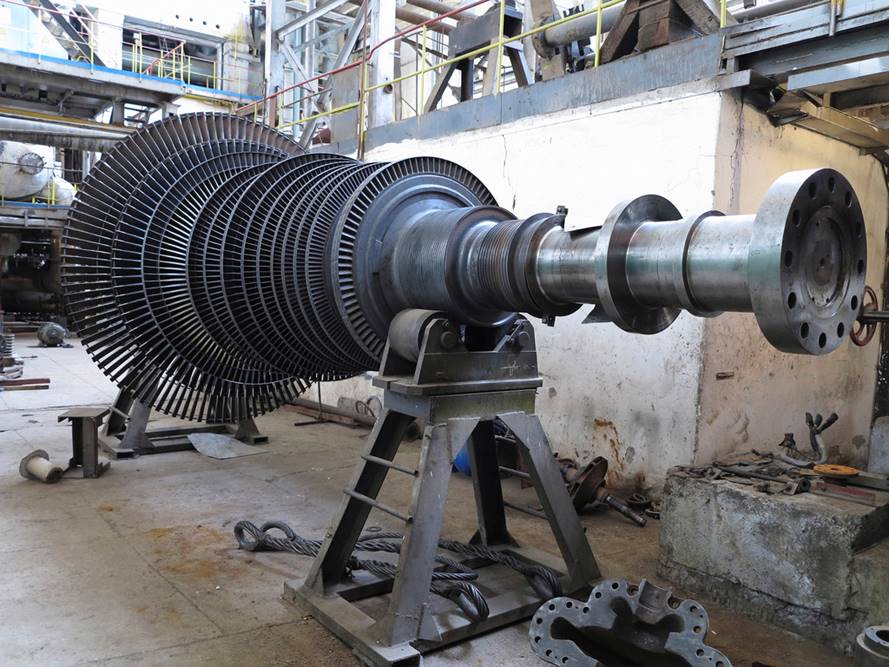
The Cost of Delayed Repairs
Ignoring any initial signs of the damage of the frame may cause serious consequences. It could lead to rotor or bearing damage or seal damage due to misalignment brought about by a weakened frame-making what would otherwise have been a minor repair a significant overhaul. Also, unexpected closures may cost industries thousands of dollars an hour in terms of lost output. Timely Gas Turbine frame repair does not only help to avoid such losses but also increase the safety of the maintenance crews and operators.
Conclusion
When to repair gas turbine frame is crucial in ensuring the reliability of system, safety and efficiency. Periodic check-ups, maintenance based on data, and monitoring of operational signals will also assist in determining the right moment to intervene when small problems will turn into big breakdowns.
The proactive repair strategy is not only longer-lasting of the turbine but also guarantees constant operation, reduced operation costs, and better energy efficiency. This is not just a good idea in a business where one minute of downtime is the difference between success and failure, frame repair is something that needs to be done on schedule in order to remain successful in the business over the long term.