

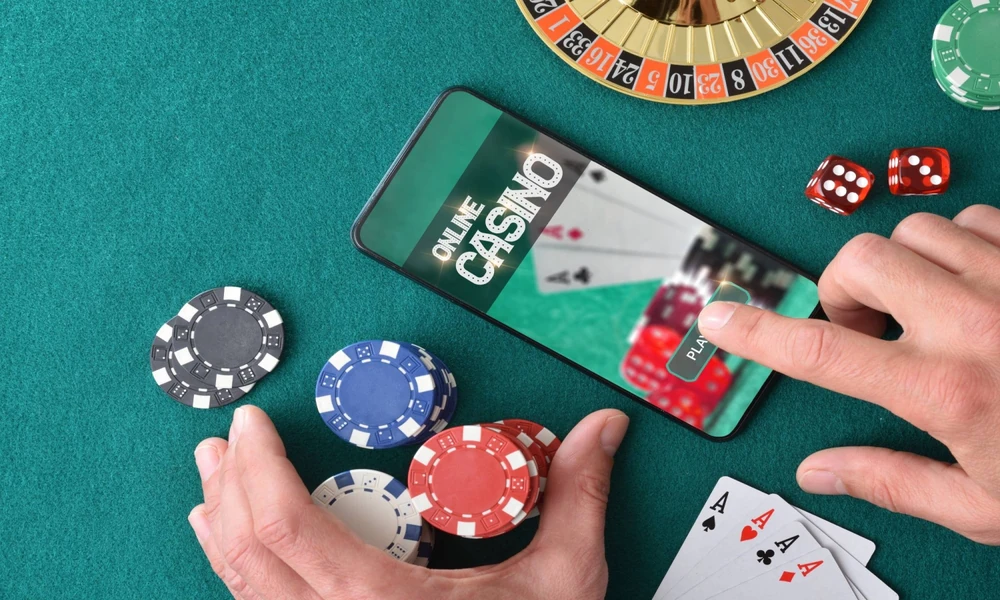
Account recovery in a crypto casino context refers to the set of procedures that allow a player to regain verified access after losing credentials, a compromised device, or a failed authentication method. Unlike traditional platforms, where a password reset email resolves most access issues, blockchain-based environments require recovery mechanisms that respect the non-custodial nature of wallet ownership.
- https://crypto.games/ operating on a similar architecture cannot simply reassign wallet access. Recovery must work within cryptographic constraints, not around them.
- Platforms using crypto gaming are primarily using social recovery, multisignature wallet structures, and hardware key backups.
- Accessibility and security tradeoffs vary between approaches, and those tradeoffs influence how exposed an account remains during a recovery.
- Attackers can bypass standard authentication entirely if recovery paths are poorly designed, which creates the exact vulnerability they intend to solve.
How does recovery affect security?
Recovery mechanisms are not separate from security architecture. They are part of it, and in many cases, they represent the weakest point in an otherwise well-constructed system.
- A recovery path that relies on a single email address or phone number reintroduces centralised failure points into a system designed to avoid them.
- Multi-signature recovery distributes approval across several keyholders, so no single compromised contact can unilaterally grant access.
- Time-locked recovery adds a delay between a recovery request and its execution, creating a window during which a legitimate account holder can cancel a fraudulent attempt.
- Guardian-based social recovery assigns trusted addresses the ability to collectively approve access restoration without any single guardian holding sufficient authority alone.
When recovery design is treated as secondary to the primary login experience, platforms accumulate structural exposure that standard security audits may not surface until an incident occurs.
What standards apply to recovery design?
Recovery mechanism design in crypto casino environments does not follow a single universal standard, but several principles have emerged from broader blockchain security practice.
Redundancy matters more than simplicity. A recovery system dependent on one backup method fails if that method is unavailable. Platforms that support multiple parallel recovery paths give players a more resilient fallback without requiring them to understand the cryptographic details behind each option. Auditability is equally relevant. Recovery events should generate on-chain records that allow both the platform and the player to verify exactly when access was restored, through which mechanism, and from which initiating address. That record becomes critical if a disputed recovery event leads to an investigation.
Security and player responsibility
Account recovery does not eliminate credential management responsibility. Fallback is provided when that management fails, and how well it works determines how much risk remains after a security event.
Players are less likely to improvise insecure solutions under pressure with platforms that clearly communicate recovery options at onboarding. Often, recovery failures occur because a player cannot execute what the platform says they can under stress. A security architecture that makes recovery paths accessible without being exploitable takes into account that gap better than one that treats recovery as an edge case instead of a security vulnerability.