

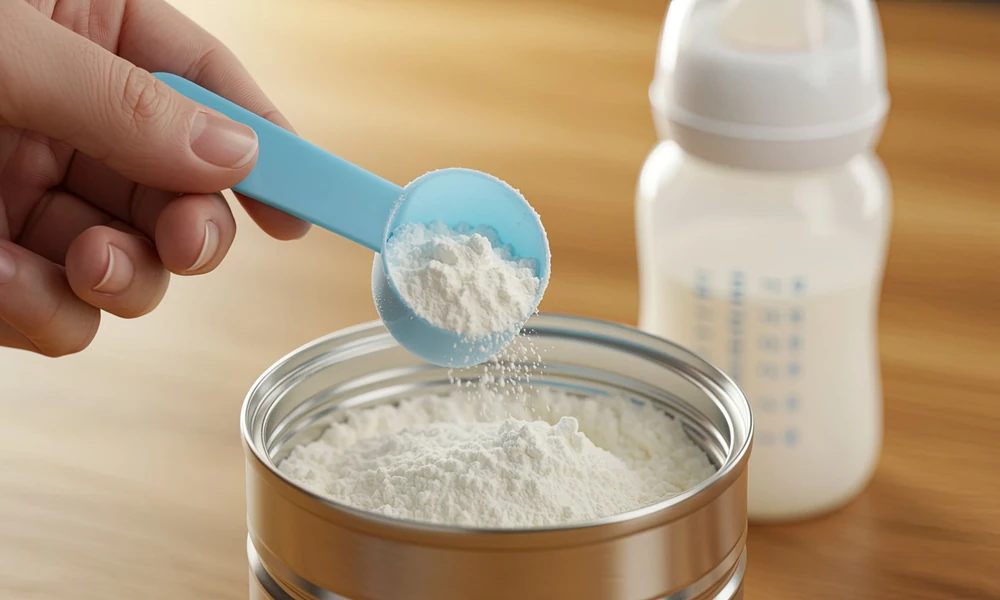
Formula tins look nearly identical on a pharmacy shelf. The number printed on each one carries real nutritional weight. Protein ratios, iron levels and fat blends change from band to band. Parents comparing the best formula milk malaysia stocks notice this first in the ingredient panel, not the packaging. Age ranges exist because digestion matures on a fairly predictable timeline. What follows breaks down the composition behind each stage, the role casein plays after six months, where toddler milks genuinely help, and which diets demand something different.
Stage Numbers Track Digestive Maturity, Not Weight
Age bands reflect gut development rather than body size. A three-month-old handles whey protein with little effort. Casein curds slowly, which strains an immature stomach lining. Manufacturers calibrate every tin around that biological clock. Birth weight alone rarely justifies skipping ahead a stage. Pediatricians weigh feeding history and tolerance before advising any change.
Why Does Whey Dominate Early Infant Formula?
Breast milk leans heavily toward whey protein. Stage 1 blends copy that balance deliberately. Whey stays liquid in the stomach and empties faster. Newborn kidneys cope better with lower protein loads. Added DHA and ARA support brain and retinal tissue. The outcome is steady growth without taxing immature organs. Lactose supplies most of the energy here.
Follow-On Formulas Shift Toward Casein Protein
By six months, solid food enters the routine. Milk stops being the sole source of nourishment. Stage 2 dominates the best formula milk malaysia shelves at this point. Casein proportions climb toward 50:50 or even 40:60. Mineral content rises to match faster bone growth and blood volume.
- Casein curds hold hunger longer between spaced feeds
- Iron supports red blood cell production and development
- Calcium with phosphorus strengthens rapidly hardening bones
- Vitamin D helps the gut absorb those minerals
- Energy density matches a crawling baby’s daily output
Do Toddlers Actually Need Growing-Up Milk?
Health authorities answer no for most healthy toddlers. Varied family meals plus whole cow’s milk cover the essentials. Stage 3 earns its place as a gap filler. Picky eaters short on iron or vitamin D benefit most. Added sugars on these labels deserve a careful second look before purchase.
Special Diets Call For Modified Formulas
Confirmed cow’s milk protein allergy changes the calculation entirely. Hydrolyzed proteins arrive pre-broken into smaller fragments. Severe cases need something more radical again. Lactose intolerance in infants is rarer than marketing suggests, though it does occur. Soy-based tins carry separate caveats worth raising with a doctor.
- Partially hydrolyzed blends ease mild fussiness
- Extensively hydrolyzed versions treat diagnosed allergy
- Amino acid tins bypass milk protein
- Thickened formulas slow stomach emptying
Reading The Panel Beats Reading The Box
That 40:60 casein ratio on a stage 2 tin says more than any claim printed on the front. Stage names drift between brands, and marketing language moves faster than pediatric nutrition research. A product suited to a seven-month-old can overload a newborn’s kidneys. The age on a label describes the tin, never the child holding the bottle.
FAQs
Can a baby stay on stage 1 formula past six months?
Yes, first infant formula remains nutritionally complete through the first year. Many pediatricians see no pressing reason to move a thriving baby onto follow-on milk.
How should parents handle the switch between stages?
Blend the old and new powder over roughly a week, increasing the new proportion every two days. Gradual change reduces constipation, gas and refusal at the bottle.
Is stage 3 milk better than plain cow’s milk for a toddler?
For a child eating a reasonable variety of food, plain whole milk performs just as well. Fortified toddler milk helps mainly when intake of iron or vitamin D falls short.
What makes stage 2 formula unsafe for a newborn?
Higher casein and mineral concentrations suit a six-month-old digestive system, not a two-week-old one. Feeding it early risks hard stools, discomfort and avoidable pressure on developing kidneys.