

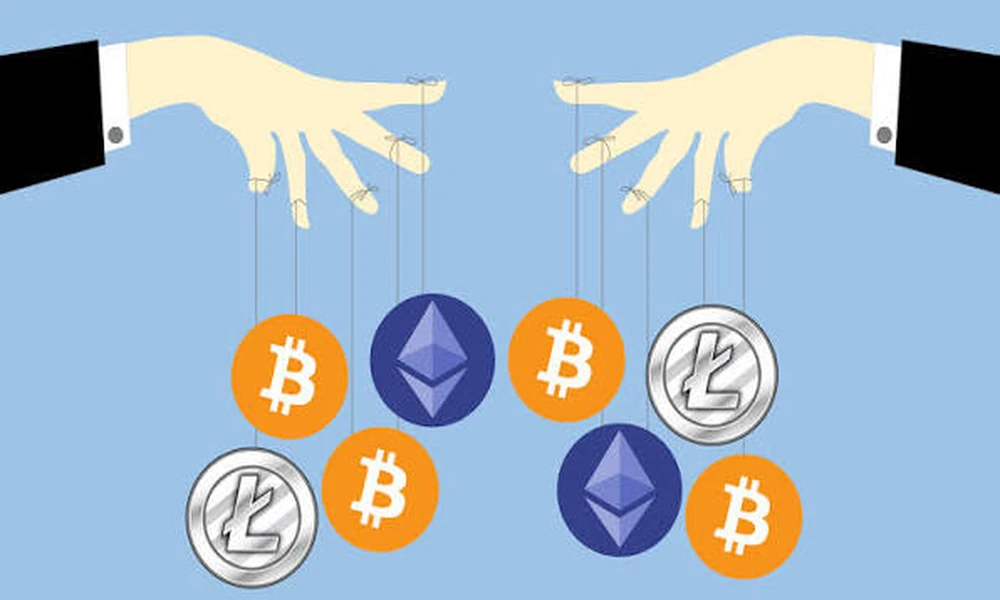
Litecoin is often called “silver to Bitcoin’s gold.” The two cryptocurrencies share much of their technical foundation, yet they have developed distinct roles. Bitcoin has become a global store of value, while Litecoin is frequently used for faster, cheaper transfers. Understanding how they compare helps you decide which one suits a given purpose and when it might make sense to convert between them.
A Shared Origin
Bitcoin was launched in 2009 by the pseudonymous Satoshi Nakamoto. Litecoin was created in 2011 by Charlie Lee as a fork of Bitcoin’s code, with several deliberate changes intended to make transactions faster and mining more accessible at the time.
Both use proof-of-work consensus, the UTXO transaction model and similar address types. Many wallets support both.
Key Technical Differences
Block Time
Bitcoin aims for a new block roughly every 10 minutes. Litecoin targets about 2.5 minutes. Faster blocks mean Litecoin transactions usually receive their first confirmation sooner.
Supply
Bitcoin’s maximum supply is 21 million coins. Litecoin’s maximum supply is 84 million, four times larger.
Mining Algorithm
Bitcoin uses SHA-256. Litecoin uses Scrypt, originally chosen to make mining more accessible to ordinary computers. Today both networks are mined mostly with specialized hardware.
Fees
Litecoin transaction fees are typically lower than Bitcoin’s, especially during periods of high Bitcoin network activity.
Privacy Features
Litecoin introduced an optional privacy feature called MimbleWimble Extension Blocks (MWEB), which allows users to opt into more confidential transactions. Bitcoin transactions are fully transparent on the blockchain by default.
Market Position
Bitcoin is by far the largest cryptocurrency by market value and is widely viewed as digital gold. It is held by individuals, companies and investment funds and is supported by nearly every crypto platform.
Litecoin has a smaller market capitalization but remains one of the longest-running cryptocurrencies, with a strong track record of network uptime and wide exchange support.
Use Cases
Bitcoin
- Long-term store of value.
- Large-value transfers where security is the priority.
- Investment and portfolio holdings.
Litecoin
- Everyday payments where speed and low fees matter.
- Moving value between platforms quickly.
- Testing transactions or learning how crypto transfers work.
Converting Between Bitcoin and Litecoin
People convert between BTC and LTC for several reasons:
- To pay a merchant that accepts only one of them.
- To reduce fees for frequent transfers.
- To rebalance a portfolio.
- To move value faster during Bitcoin network congestion.
Instant swap services make such conversions simple. You can compare quotes for BTC and LTC pairs at https://onlyswaps.io/, where both coins are supported along with assets like ETH, USDT, USDC, DAI, TON, TRX and XMR. As always, check the quoted amount, the receiving address and the network before sending.
Confirmation Times in Practice
Because Bitcoin blocks arrive every 10 minutes on average, deposits may take longer to confirm, especially when the network is busy and fees are low. Litecoin’s shorter block time generally results in faster confirmations. When using an exchange service, the total time also depends on how many confirmations it requires.
Security Considerations
Bitcoin has the largest mining network, which makes it extremely costly to attack. Litecoin’s network is smaller but has operated reliably for more than a decade. For very large holdings, many users prefer Bitcoin for its security budget; for smaller, frequent payments, Litecoin’s speed and cost are attractive.
Wallets
Many popular software and hardware wallets support both BTC and LTC. Make sure you select the correct coin when generating receiving addresses. Bitcoin and Litecoin addresses use different formats, and sending to the wrong type can cause problems.
Price Behavior
Litecoin’s price has historically shown correlation with Bitcoin, though not perfectly. Both are volatile, and neither should be considered risk-free. Only invest money you can afford to lose and do your own research.
Halving Events
Both networks reduce mining rewards in halving events. Bitcoin halves approximately every four years; Litecoin halves every 840,000 blocks, which also works out to roughly four years. Halvings reduce the rate of new supply.
Taxes and Records
Converting between cryptocurrencies may be a taxable event in many countries. Keep records of dates, amounts and values for every swap, and consult a tax professional where needed.
Which One Should You Use?
There is no single answer. Many users hold Bitcoin for long-term value and use Litecoin for practical transfers. Others prefer to hold only one. Consider your goals, transaction frequency and risk tolerance.
Frequently Asked Questions
Can I send Litecoin to a Bitcoin address? No. They are separate blockchains, and addresses are not interchangeable. Always select the correct coin.
Is Litecoin faster than Bitcoin? Litecoin’s target block time is about 2.5 minutes, compared with Bitcoin’s 10 minutes, so first confirmations usually arrive sooner.
Which is better for beginners? Both are widely supported. Many beginners start with small amounts of each to learn how transfers work, using Litecoin for practice because of its lower fees.
Does Litecoin have smart contracts like Ethereum? Litecoin focuses mainly on payments and does not have the same smart contract ecosystem as Ethereum.
Will Litecoin replace Bitcoin? Unlikely. The two have coexisted for more than a decade and serve somewhat different roles. Many users simply hold both and use each where it fits best. Neither should be treated as a guaranteed investment.
Key Takeaways
- Bitcoin and Litecoin share a common codebase.
- Litecoin offers faster blocks and usually lower fees.
- Bitcoin has the largest network and strongest recognition.
- Addresses for the two coins are not interchangeable.
- Swaps between them may be taxable in many countries.
Final Thoughts
Bitcoin and Litecoin share a common heritage but serve different roles. Bitcoin offers unmatched security and recognition as a store of value, while Litecoin provides faster confirmations and lower fees for everyday use. Understanding their differences helps you choose the right coin for each task and convert between them confidently when needed.