

Title: XCMG Construction Equipment: What Owners and Operators Should Know
Description: A practical look at XCMG heavy machinery – product range, maintenance realities, and where to find technical documentation for operators and workshop teams.
Link: https://manualmachine.com/xcmg/
Anchor: brand – “XCMG”
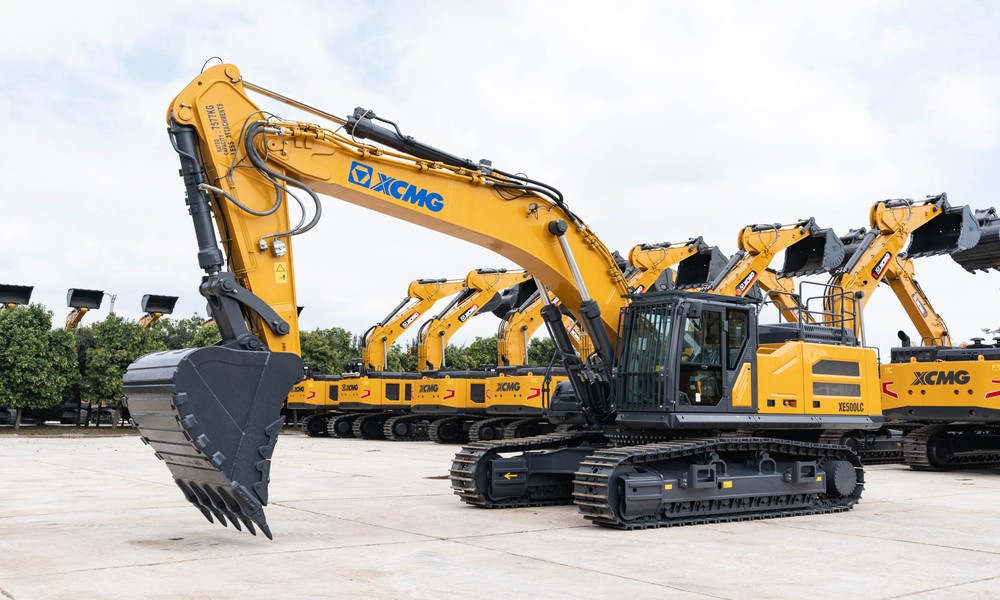
XCMG has become one of the largest construction equipment manufacturers in the world, and its machines are present on job sites across almost every region. Cranes, excavators, wheel loaders, road rollers, concrete equipment, forklifts, and tunneling machinery – XCMG produces a wide range of heavy equipment used in both civil infrastructure and private construction. For operators, fleet managers, and workshop supervisors working with XCMG equipment, documentation matters more than it does for almost any other product category. The equipment is expensive, the duty cycles are demanding, and the consequences of operating or maintaining a machine incorrectly range from costly downtime to genuine safety incidents. This article covers the practical documentation considerations for XCMG equipment in 2026, from operator manuals through workshop references to the parts catalogs that keep machines running.
The Three Documentation Layers for Heavy Equipment
Heavy equipment documentation works in layers, and XCMG follows this pattern. The operator manual is the document every licensed operator should read before using the machine – it covers controls, safety procedures, daily inspections, and basic fault response. The maintenance manual is for workshop staff performing scheduled service and covers fluid specifications, lubrication intervals, wear limits, and component-level checks. The parts catalog identifies every replaceable component with its manufacturer part number, which is essential when ordering spares. Each of these documents exists for specific XCMG machine models and is not interchangeable across variants, even within the same product family.
Model-Specific Documentation for a Reason
The same model designation in XCMG’s catalog can refer to slightly different machines built for different markets, different emission standards, or different production years. An excavator sold into one region may have a different engine, hydraulic configuration, or control system than the nominally identical machine sold elsewhere. This matters because the maintenance procedures and parts specifications differ accordingly. When ordering documentation, the serial number and production year are as important as the model designation itself. Workshops that assume all machines of the same model can use the same documentation sometimes discover the mistake during a repair that does not go to plan.
Where to Source XCMG Manuals Reliably
For current XCMG products, authorized dealers are the primary source of operator and maintenance documentation, often provided at the time of purchase or through the dealer’s service portal. For older machines that have changed hands several times, the documentation is often long gone by the time a new owner takes possession. In those cases, the fastest route to the correct manual is usually a comprehensive documentation archive. You can search XCMG by model and serial number to locate operator and service documentation for a broad range of XCMG machines, including older models that are no longer commonly supported through dealer channels. This matters particularly for contractors who buy used equipment – the documentation gap is a real acquisition cost if it has to be resolved through the dealer network after the fact.
Daily Inspections and Why They Matter
Every XCMG operator manual includes a daily pre-start inspection checklist, and this is the single most important section for operators to actually use rather than memorize. Fluid levels, tire or track condition, hydraulic hose integrity, ROPS and FOPS structural integrity, lighting and indicator function, and control response – each of these is checked visually in the first few minutes of the day. Operators who perform this inspection consistently catch developing problems before they become failures. Operators who skip it are eventually surprised by a failure that could have been identified the morning before. The manual makes the checklist explicit and workshop-specific for each machine type.
Fluids, Specifications, and Substitution Risks
XCMG machines specify exact fluid types and grades for hydraulic oil, engine oil, coolant, transmission fluid, and grease. These specifications are not arbitrary and substituting incorrect fluids has real consequences – reduced component life, warranty implications, and in some cases immediate performance degradation. The maintenance manual lists the exact specifications along with the capacity for each system. Workshops that stock the specified fluids rather than trying to substitute from general-purpose inventory have fewer equipment problems and simpler warranty claims. When an operator or workshop is tempted to substitute, the manual usually explains why the original specification matters – pressure ratings, thermal limits, seal compatibility, and similar technical reasons that are not obvious from the general fluid category.
Scheduled Maintenance Intervals
Construction equipment has scheduled maintenance intervals based on operating hours, and XCMG documentation lays out these intervals clearly. Operating hours are tracked by the machine’s internal counter, and workshop schedules should be built around these numbers rather than calendar dates. Some intervals are engine-related, others are hydraulic, others are structural inspections. Skipping or delaying scheduled maintenance is one of the most common ways fleet managers degrade the lifetime of otherwise capable equipment. The manual makes the schedule explicit and provides the task lists for each interval, which workshop managers can translate directly into recurring service tickets.
Parts Identification and Ordering
The XCMG parts catalog is the document that saves time during actual repair work. Exploded diagrams show every component with its part number, and this is what gets transcribed into purchase orders when parts are needed. Guessing at part numbers or ordering based on visual similarity to the worn component is a reliable way to order the wrong part, which adds days of downtime while the correct part is re-sourced. Workshops that reference the parts catalog at the start of every repair work shorten their mean time to repair significantly compared to workshops that work from memory or from informal knowledge. The catalog is a dry document but it is the one that operational efficiency actually depends on.
Training, Documentation, and Institutional Knowledge
The broader value of XCMG documentation is as a training and continuity resource. New operators can be trained partly from the operator manual before getting seat time on the machine. New workshop staff can get up to speed on a specific model by reading the maintenance manual alongside their experienced colleagues. When staff turn over, the institutional knowledge is not entirely lost because the documentation encodes much of it explicitly. Fleet managers who maintain organized documentation for every machine in their fleet are effectively building a training library that outlasts any individual employee. The upfront effort to organize this material pays back across the entire equipment lifecycle.
– – – – – – – – – –